Choosing the right international conference is an important step in sharing your research, connecting with experts, and building your academic profile. A suitable conference can help you gain valuable feedback, explore new ideas, and increase the visibility of your work. However, with so many conferences available across different fields, researchers often find it difficult to identify genuine opportunities and distinguish reputable academic events from those that may not meet their expectations.
Before exploring conferences to submit research paper, it is essential to compare several key factors, including topic relevance, credibility, indexing, peer-review standards, registration costs, and publication opportunities. This guide will help you evaluate different conferences, understand what makes an event trustworthy, and choose an option that aligns with your research goals, budget, and long-term academic plans.
Understand Your Research Goals Before Comparing Conferences
Before choosing an academic conference, take time to understand what you want to achieve through participation. Clear goals help you compare opportunities, reach the right audience, and invest your time and resources in a conference that supports your academic growth.
Define Your Publication and Academic Goals
Decide whether your primary goal is to present research, publish a paper, build professional connections, or gain academic recognition. Knowing your priorities makes it easier to identify conferences that offer meaningful opportunities and align with your long-term academic plans
Identify Your Research Field and Target Audience
Choose conferences that closely match your research topic, discipline, and intended audience. A relevant conference helps you share your findings with interested researchers, receive useful feedback, discover new perspectives, and connect with academics working on similar research questions.
Consider Your Academic Career Stage
Your conference priorities may change as your academic career develops. PhD students can focus on learning and networking, experienced researchers may seek collaboration and recognition, while first-time authors should prioritize supportive environments, clear submission guidelines, and valuable presentation experience.
Check the Conference Scope and Research Relevance
Before submitting your paper, make sure the conference genuinely matches your research topic and academic interests. Reviewing its scope, themes, and previous programs helps you choose a suitable event where your work can reach the right audience.
Review the Conference Themes and Tracks: Read the listed themes and tracks carefully to determine whether your research fits the conference’s main areas of interest.
Examine Previous Conference Programs: Explore earlier programs to understand the types of papers presented, the topics discussed, and the research communities that typically attend.
Evaluate Whether Your Paper Fits the Conference Scope: Compare your research objectives, methods, and findings with the conference’s stated focus. A strong match improves your chances of attracting relevant reviewers and participants.
Understand the Risks of a Mismatch: Submitting to an unrelated conference may result in rejection or limited audience engagement. Even quality research can receive little attention when it does not align with the event’s academic focus.
Verify the Credibility and Reputation of the Conference
Before registering for a conference, take some time to check its credibility and reputation. A genuine academic conference is usually backed by a trusted institution, qualified experts, and a clear history of successful events. Doing this research helps you avoid questionable events and choose a conference that genuinely supports your academic or professional growth.
Research the Organizing Institution
Check which university, research institute, or professional organization is hosting the conference. Visit its official website and look at its previous academic activities. A well-established organizer with a transparent background is generally a more reliable choice.
Check the Scientific Committee and Keynote Speakers
Look at the people responsible for planning the conference and delivering keynote speeches. Verify their qualifications, research publications, and professional affiliations. If their names are difficult to verify or their academic backgrounds seem questionable, take a closer look before registering.
Review Previous Editions and Conference History
Find out whether the conference has been held in earlier years and what those events were like. Check past programs, speakers, published proceedings, and participant feedback. A consistent track record can help you judge whether the conference is genuinely valuable.
Identify Warning Signs of Potentially Predatory Conferences
Be cautious if a conference promises guaranteed publication, sends repeated promotional emails, or accepts papers unusually quickly without proper review. Other warning signs include hidden fees, vague organizing details, and unrealistic claims about famous speakers. Always verify the information before paying registration fees.
Evaluate the Peer-Review and Paper Selection Process
Before submitting your research paper to a conference, make sure you understand how the organizers evaluate and select submissions. A reliable conference follows a clear review process in which experts assess the quality, originality, and relevance of each paper. Checking these details helps you identify conferences that value genuine research rather than simply collecting registration fees.
Understand the Review Methodology
Find out how submitted papers are reviewed and who evaluates them. Reputable conferences generally involve qualified reviewers who examine the research quality, methodology, originality, and contribution to the field. A clear review process shows that the organizers take academic standards seriously.
Check Review Timelines and Acceptance Criteria
Look at the submission deadlines, review periods, notification dates, and acceptance requirements. The timeline should be reasonable for a proper academic assessment. If a conference promises acceptance within a few hours or guarantees approval without meaningful evaluation, treat it as a warning sign.
Look for Transparency in Editorial and Review Policies
Check whether the conference clearly explains its review procedures, evaluation criteria, conflict-of-interest rules, and publication policies. Reliable organizers make this information easy to find. When important details are missing or confusing, contact the organizers for clarification before submitting your work.
Distinguish Genuine Peer Review from Guaranteed Acceptance
A trustworthy conference does not promise to accept every paper before reviewing it. Genuine peer review may result in acceptance, rejection, or a request for revisions. Be cautious of conferences that guarantee acceptance or publication in exchange for payment, as this may indicate weak academic standards.
Compare Conference Proceedings and Indexing Opportunities
Before choosing a conference, check where your research paper will be published and how other researchers can access it. Publication opportunities can add value to your academic profile, but not every conference offers the same benefits. Understanding the proceedings, indexing status, and publication policies helps you make an informed decision and avoid misleading promises.
Check Where Accepted Papers Will Be Published
Find out whether accepted papers will appear in official conference proceedings, an academic publisher’s collection, or another publication platform. Check the publisher’s reputation and confirm that the publication plan is clearly stated. This helps you understand how your research will be shared with the academic community.
Verify Indexing Claims Through Official Databases
Some conferences advertise indexing in databases such as Scopus or Web of Science. Do not rely only on the conference website or promotional emails. Search the official databases to verify the publication or proceedings series and its current coverage. This simple check can help you avoid false or outdated indexing claims.
Understand the Difference Between Conference Proceedings and Journal Publication
Conference proceedings usually contain papers presented at a particular academic event, while journal articles are published in scholarly journals that follow their own editorial and review processes. Some conferences offer opportunities to submit extended versions of papers to partner journals, but publication is not automatic. Always check the separate requirements.
Review Copyright, DOI, and Publication Policies
Before submitting your paper, read the publication agreement carefully. Check who will hold the copyright, whether authors retain reuse rights, and whether each paper will receive a DOI (Digital Object Identifier). Also, review any publication fees and withdrawal policies. Clear terms help protect your research and prevent unexpected problems later.
Assess Registration Fees and the Overall Conference Budget
Choosing a conference involves more than paying the registration fee. You also need to consider travel, accommodation, meals, visa expenses, and possible publication charges. Comparing the total cost helps you find a conference that fits your budget without compromising the quality of the academic experience. A little planning beforehand can also prevent unexpected expenses later.
Compare Author Registration Fees
Check the registration fees for students, research scholars, faculty members, and other participants. Some conferences charge separately for paper presenters and attendees. Compare what each package includes, such as presentation opportunities, conference materials, meals, and publication. A lower registration fee is not always the better deal if essential services cost extra.
Include Travel, Accommodation, and Visa Expenses
For an in-person conference, calculate transportation, hotel stays, meals, local travel, and visa fees if you are travelling internationally. Consider how many nights you will need accommodation and whether the venue is easily accessible. These expenses can sometimes exceed the registration fee, so include them in your initial budget.
Check Virtual and Hybrid Participation Options
If travelling is expensive or difficult, look for online or hybrid participation options. Virtual attendance can reduce transportation and accommodation costs while still allowing you to present your research and interact with other researchers. However, confirm whether online presenters receive the same publication opportunities and presentation recognition as in-person participants.
Review Refund, Cancellation, and Additional Publication Charges
Read the conference’s refund and cancellation policies before making any payment. Check whether registration fees are refundable if your paper is rejected or the event is postponed. Also, look for additional charges for extra pages, publication, certificates, or accompanying authors. Knowing these terms in advance helps you avoid unpleasant financial surprises.
Examine Networking, Presentation, and Career Development Opportunities
Networking, presentation, and career development opportunities help researchers share ideas, gain valuable feedback, build professional relationships, and strengthen their academic experience. These activities can also support future collaborations and career growth.
Opportunities to Present and Discuss Your Research
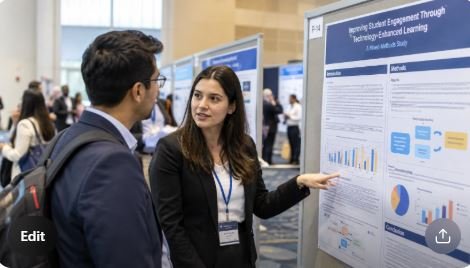
Presenting research at conferences, seminars, and academic events allows researchers to explain their findings, exchange ideas, and receive constructive feedback. These experiences improve communication skills, increase research visibility, and help identify new perspectives for future investigations.
Networking with Researchers and Industry Experts
Networking with fellow researchers, experienced academics, and industry professionals creates opportunities to exchange knowledge and develop meaningful connections. These relationships may lead to joint projects, mentorship, professional guidance, and access to emerging developments within relevant research fields.
Workshops, Tutorials, and Research Collaboration
Workshops and tutorials provide practical opportunities to learn new methods, explore research tools, and improve technical knowledge. Participating in these activities encourages collaboration, supports skill development, and helps researchers discover effective approaches to solving complex academic and professional challenges.
Potential Benefits for Academic Profiles and Future Research
Active participation in academic events can strengthen researchers’ professional profiles by highlighting their contributions, presentations, and collaborative activities. Such involvement may improve future research prospects, support publication opportunities, expand professional networks, and contribute to long-term academic development.
How Conference Alerts Can Help You Discover Relevant Academic Events
Finding the right academic conference becomes easier with Conference Alerts, a useful resource for exploring upcoming events across different research fields. Researchers can browse conferences that match their disciplines, interests, and professional goals. Before making a decision, compare shortlisted events based on location, reputation, costs, and publication opportunities. Visit Conference Alerts to explore options, but always confirm event details, fees, deadlines, and publication policies directly with the organizer.
Choosing the right conference can make a real difference in your research journey. Before submitting your work, consider the event’s relevance to your topic, credibility, peer review process, publication policies, submission deadlines, and overall cost. Take time to compare multiple conferences instead of rushing into a decision. Platforms like Conference Alerts can help you discover suitable academic events, explore upcoming opportunities, and plan your research submissions with greater confidence.
About the Author